Noddx
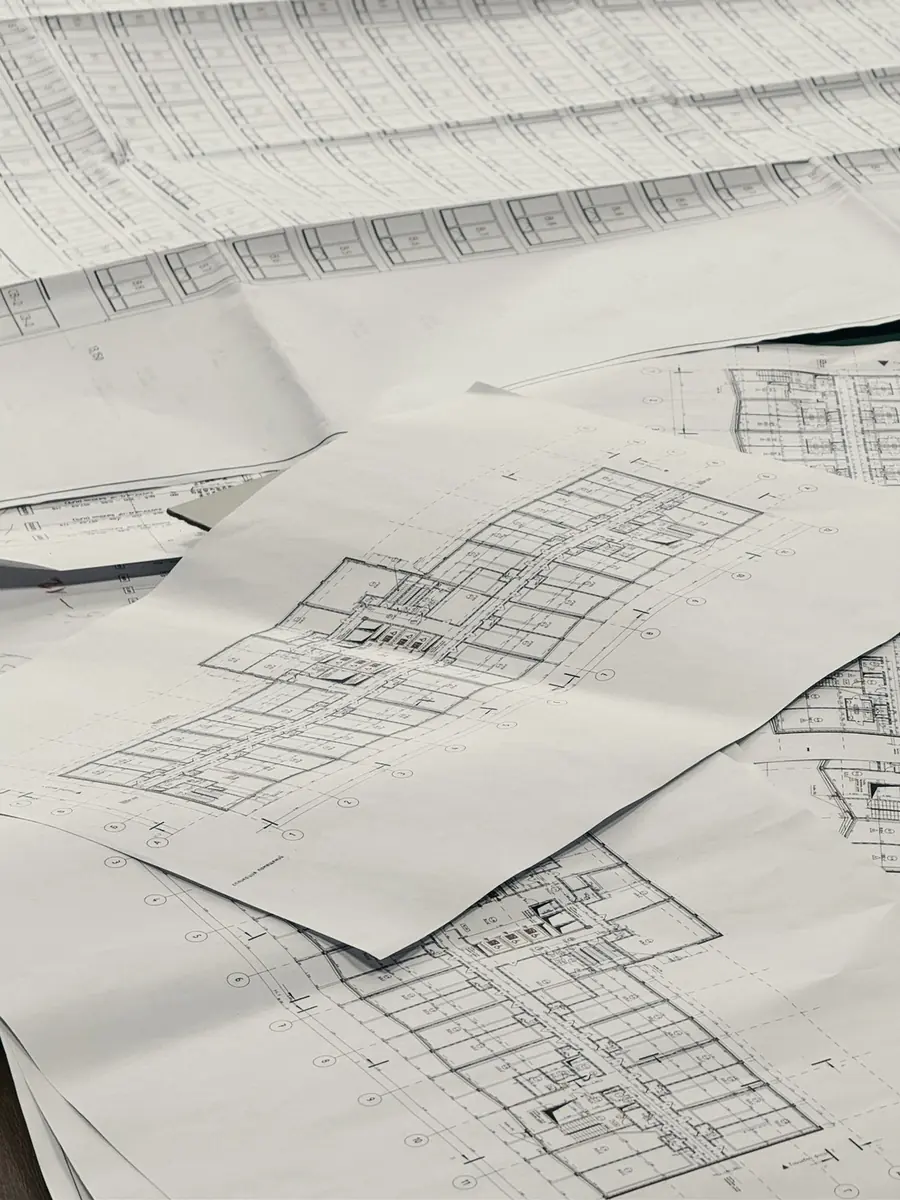
Work order management for industrial and commercial developers. From the first inquiry through invoicing and final report with evidence, in one place.
We find out who actually buys, shape the offer, and build a company that can carry the product.

Most technical founders reach a strange point: the product works, and the business hasn't started. They have the skills to build anything and no way to tell which thing is worth building. That gap used to be filled by a cofounder or a business team. Often there isn't one.
Process
Every project moves through the same four stages. Where it enters, and how long each takes, depends on what has already been decided.
01What isn't working
We start with what isn't working. Not the polished version of the business, the real one: the assumptions that have never been tested, the numbers that don't hold, the parts you already suspect. Nothing moves until that's on the table.
02What the business actually is
What's left after that is smaller than what went in. Most early projects carry more than they need — extra segments, hedged bets, features that survived because no one questioned them. We cut until what remains is the actual business: one buyer, one offer, one reason it's worth paying for.
03First contact with the market
Then it meets someone who can say no. Everything up to here happened in a room; this is where the business stops being a theory. Some of what looked settled won't survive it. That's what it's for.
04Running without us
The work is finished when you don't need us for it. A business that covers its costs, a way of finding customers that repeats, and a founder who can run both. If you come back, it's for the next problem, not this one.
You know how to build the product. We know how to take it to market.
Method
We talk first, look at where the project actually is, and propose only the work that answers the questions blocking you right now.
That conversation and the diagnosis behind it are free. You'll know then what we think before you decide anything.
Our core competencies are in the following areas:
01
Who actually buys. Which customer benefits most, who inside their company decides, and just as important, who isn't worth chasing.
02
What you're selling, and why it's worth it. Saying what the product does in a way that lands with a buyer, and knowing which objections you'll hear before you hear them.
03
What to charge. What you're really charging for, how much the market will bear, and what a customer is worth over time. Price is a hypothesis, not a number you pick.
04
Who else they could choose. Competitors, workarounds, and doing nothing at all.
05
How they'll find you. Which channels reach this buyer, what each one costs, and how long it takes to close through them.
06
How you'll know it's working. The few numbers that tell you the product is creating real value, and how to read early retention before anyone can call it product-market fit.
07
How you'll launch. Who to approach first and in what order, what you say in the meeting, and how a new customer gets to something valuable fast.
08
How you'll run it. The minimum tools to sell without chaos, and the paperwork that has to exist before you take money.
We're not lawyers or accountants. When a project needs that work, we refer you to people we trust and step out of the way — you contract them directly, with nothing routed through us.
Work
The method is what we use on our own risk before we bring it to anyone else's.
Work order management for industrial and commercial developers. From the first inquiry through invoicing and final report with evidence, in one place.
Water intelligence for industrial parks. IoT devices that turn analog water meters into digital readers, and the data layer on top of them.
AI adoption for legal and accounting firms. Built around the compliance problem these firms face when client data meets new tools.
Contact
You don't need a deck, a clean set of numbers, or a clear question — most founders arrive with none of those. Tell us what you're building and what's stuck, and we'll tell you what we see.
The first conversation and the diagnosis behind it are free.
hola@ateclier.co